The Ultimate Fighters for
Victims of Injuries
Victims of Injuries



Welcome to The Steiner Law Firm, PLLC, your trusted partner in personal injury law serving clients throughout New York State. Located in Ossining, NY, our dedicated team of attorneys is committed to providing exceptional legal representation to individuals who have suffered injuries due to the negligence of others. We understand the physical, emotional, and financial toll that personal injuries can take on you and your loved ones, which is why we work tirelessly to ensure you receive the compensation and justice you deserve.
At The Steiner Law Firm, PLLC, we handle a wide range of personal injury cases, including but not limited to car accidents, slip and falls, workplace injuries, medical malpractice, and wrongful death claims. Our experienced attorneys have a deep understanding of New York’s personal injury laws and regulations, allowing us to navigate the complex legal landscape on your behalf. We take pride in our ability to thoroughly investigate each case, gather crucial evidence, and build strong arguments to support your claim. Our goal is to maximize your recovery and help you obtain the financial resources necessary to cover medical expenses, lost wages, and other damages resulting from your injury.
When you choose The Steiner Law Firm, PLLC to represent you in your personal injury case, you can expect personalized attention and unwavering support throughout the legal process. We recognize that every case is unique, and we tailor our approach to meet your specific needs and circumstances. Our attorneys will work closely with you to understand the full extent of your injuries, the impact on your life, and your long-term recovery needs. We will keep you informed at every stage of your case, explaining your legal options in clear, understandable terms and providing honest, straightforward advice. With our firm by your side, you can focus on your recovery while we handle the complexities of your legal claim, negotiating with insurance companies and, if necessary, representing you in court to secure the best possible outcome for your case.




No one ever expects or is prepared for an accident. Whether you’re driving or are a passenger in a car, walking across a busy street, or working at a construction site, you could be seriously injured due to other people’s carelessness.
At The Steiner Law Firm, PPLC, our experienced attorneys have a deep understanding of New York’s personal injury laws and what it takes to prevail in court. Across a combined 50 years, we’ve successfully taken on some of the most complex accident cases. The deep-pocketed insurance companies know our names — and they know we mean business.
If you’ve been in an accident due to no fault of your own, we’re ready to stand in your corner. Our Ossining, NY-based law practice takes cases throughout New York State. Reach out to us today.

Five combined decades of extensive trial experience in state and federal courts

A reputation throughout the Empire State for our professioynalism and tenacit

Success in handling complex, difficult personal injury lawsuits

Hundreds of 5-star review from clients whose lives we made a difference in

Responsiveness and availability at all hours to address your legal matters

You pay nothing unless we win compensation for your personal injury case

Norman Steiner, our law firm founder and lead attorney, has one mission: to deliver justice to his clients. Passion, Care, Discipline, Skill, and Experience are exactly why he excels. As a longtime trial attorney, he has earned respect and recognition by his peers, colleagues, opposing counsel, and judges alike.
Here’s proof:
”Plaintiff ultimately obtained a very good result in consideration of the medical costs in this action. That result is largely due to Norman Steiner’s outstanding trial performance, which resulted in an excellent vereditct of $400,000.”
- Hon. James I. Cohn, U.S. District Judge, Southern District of Florida, Directly Quoted in the 2010 opinion Goldin v. Murphy’s Law Hollywood
See how the right attorney can make a difference on your road to recovery. Contact us today for your free, no-risk consultation.
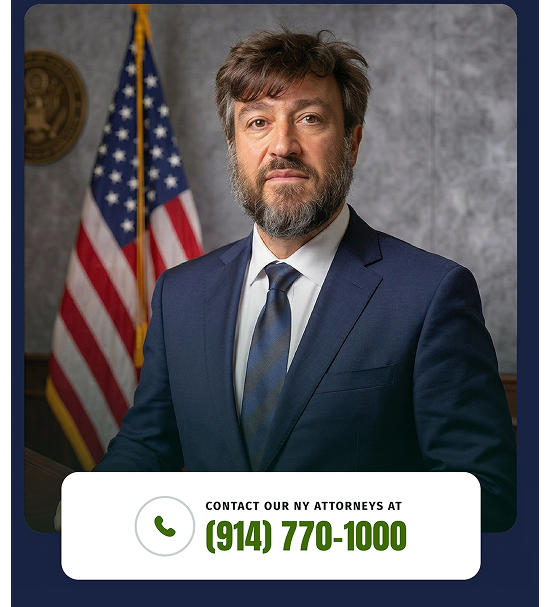
Why trust our law firm with your personal injury case? Because our founder, Norm Steiner, was once in your place, and he knows exactly how you’re feeling.
While serving as a New York public defender, Norm was in a catastrophic motorcycle accident in 2006. It cost him his leg. The doctors told Norm he might never walk again. After a grueling rehabilitation process, he fully recovered - and vowed to devote his career to fighting for accident victims like you.So Whether you’ve suffered broken bones from a car crash, a spinal cord injury from a trucking accident, or a catastrophic brain injury from a slip-and-fall, let Norm and his team fight for the compensation and Accountability you deserve.
Check out our podcast for all you need to know about the law and how it affects you.

At The Steiner Law Firm, we know that many people are apprehensive about seeking legal help following an accident. After all, thinking about the cost of hiring a lawyer is hard when you have near-nonstop medical bills, are off work, and are feeling constant pain - all because of someone else’s carelessness.
You deserve top-quality legal service, so we represent accident victims like you without any upfront attorney fees. You only owe us if we reach a settlement or veredict on your behalf. There’s nothing to lose to get started, so reach out to us today for your free, fully confidential consultation with a reputable personal injury lawyer in New York